
Deciding on a short-term rental exit strategy depends on your financial goals, market conditions, and personal circumstances. The best path — whether selling for a profit, converting to a long-term rental for stable cash flow, or using a 1031 exchange to trade up — requires a clear-eyed analysis of your property's performance and the Charlotte real estate market.
My name is Hemang Bhatt, founder of Stayvanah, a short-term rental co-hosting company here in Charlotte, NC. As a licensed North Carolina real estate agent with eXp Realty and an STR investor myself, I navigate these decisions constantly. This isn't just about property management; it's about investment strategy. My work with HBMCRE (hbmcre.com) focuses on helping investors buy and sell STR-zoned properties, and at Stayvanah, we provide the operational expertise. This dual perspective is crucial when planning your exit.
When to Sell Your Short-Term Rental
Selling your short-term rental is the most straightforward exit strategy, ideal for cashing out equity when the market is strong or if the property no longer fits your portfolio. You should consider selling if you've hit your appreciation targets, if upcoming regulations in areas like Mecklenburg County pose a risk, or if you simply need to liquidate the asset for other opportunities.
A sale provides a lump sum of capital, but it also triggers taxes on your capital gains. The decision to sell should be data-driven. We use tools like AirDNA and PriceLabs to benchmark performance and our own brokerage data at hbmcre.com to gauge market appetite. If your property in a neighborhood like NoDa or South End has seen significant appreciation, selling might lock in those gains most effectively.
Converting Your STR to a Long-Term Rental
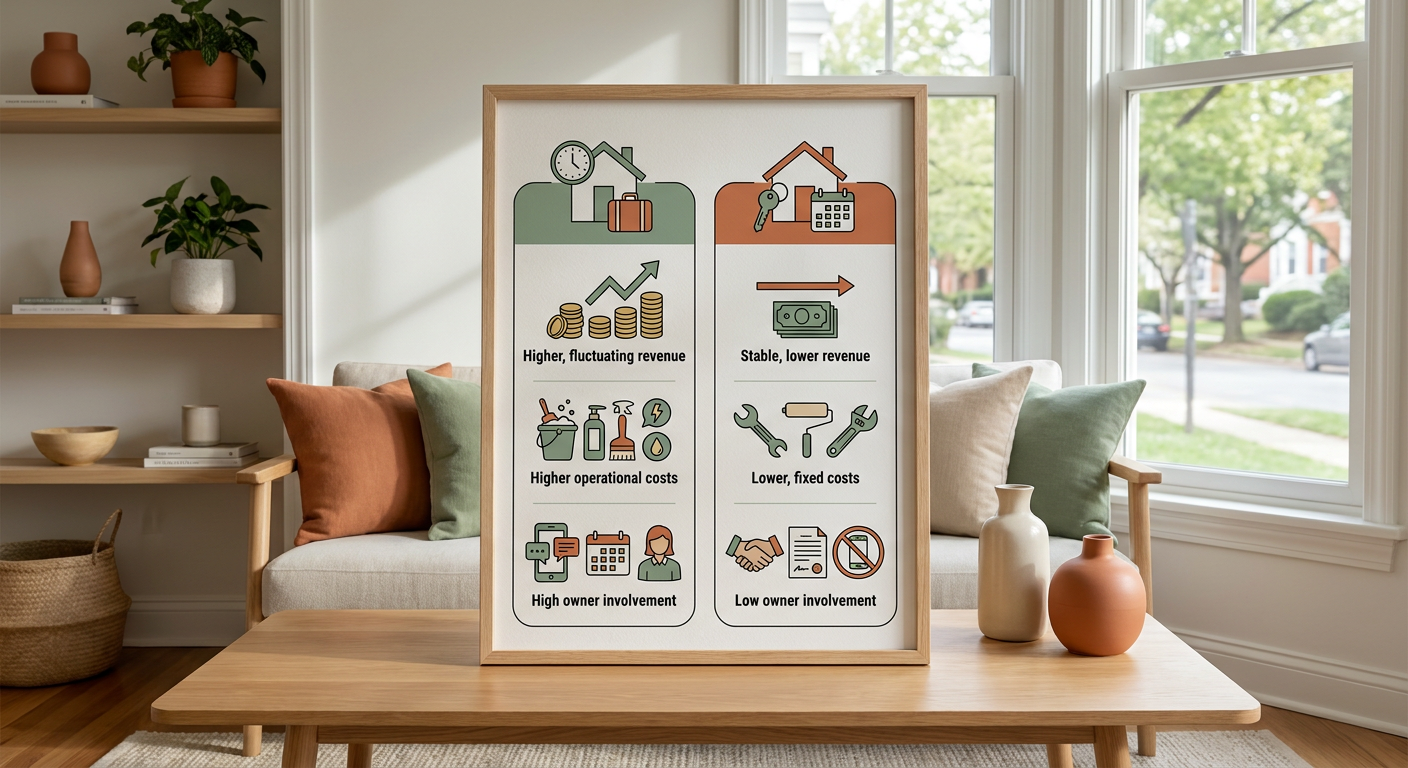
Converting your property to a long-term rental (LTR) is a sound strategy if you want to retain the asset and generate more predictable, passive income. This move is often prompted by a desire to reduce management intensity or as a response to local regulatory shifts, such as changes in the Charlotte UDO, that might make STRs less viable. A successful conversion depends on the property's location and its appeal to long-term tenants.
For example, a property near Uptown or in a family-friendly area like Dilworth could be an excellent LTR. The trade-off is typically lower gross revenue compared to a successful STR but with significantly lower operating costs and management overhead. You shift from the hospitality business to the landlord business. This is a key difference from the co-hosting model we run at Stayvanah, which is built for high-turnover hospitality. If you're tired of 24/7 guest communication and constant turnovers, an LTR conversion offers a more hands-off income stream, albeit a smaller one.
| Feature | Short-Term Rental (STR) | Long-Term Rental (LTR) | | :--- | :--- | :--- | | Income Stream | Variable, high potential | Stable, predictable | | Management | Intensive, daily operations | Periodic, lower intensity | | Occupancy | Nightly/Weekly | Annual Leases | | Wear & Tear | High | Low to Moderate | | Regulatory Risk | Higher (Zoning, Permits) | Lower (Landlord-Tenant Law) |
Using a 1031 Exchange as Your STR Exit Strategy
A 1031 exchange is a powerful tax-deferral strategy that allows you to sell an investment property and roll the entire proceeds into a "like-kind" property of equal or greater value. This is the ultimate short-term rental exit strategy for investors focused on portfolio growth. Instead of paying capital gains tax, you reinvest that money into your next deal, allowing your capital to compound.
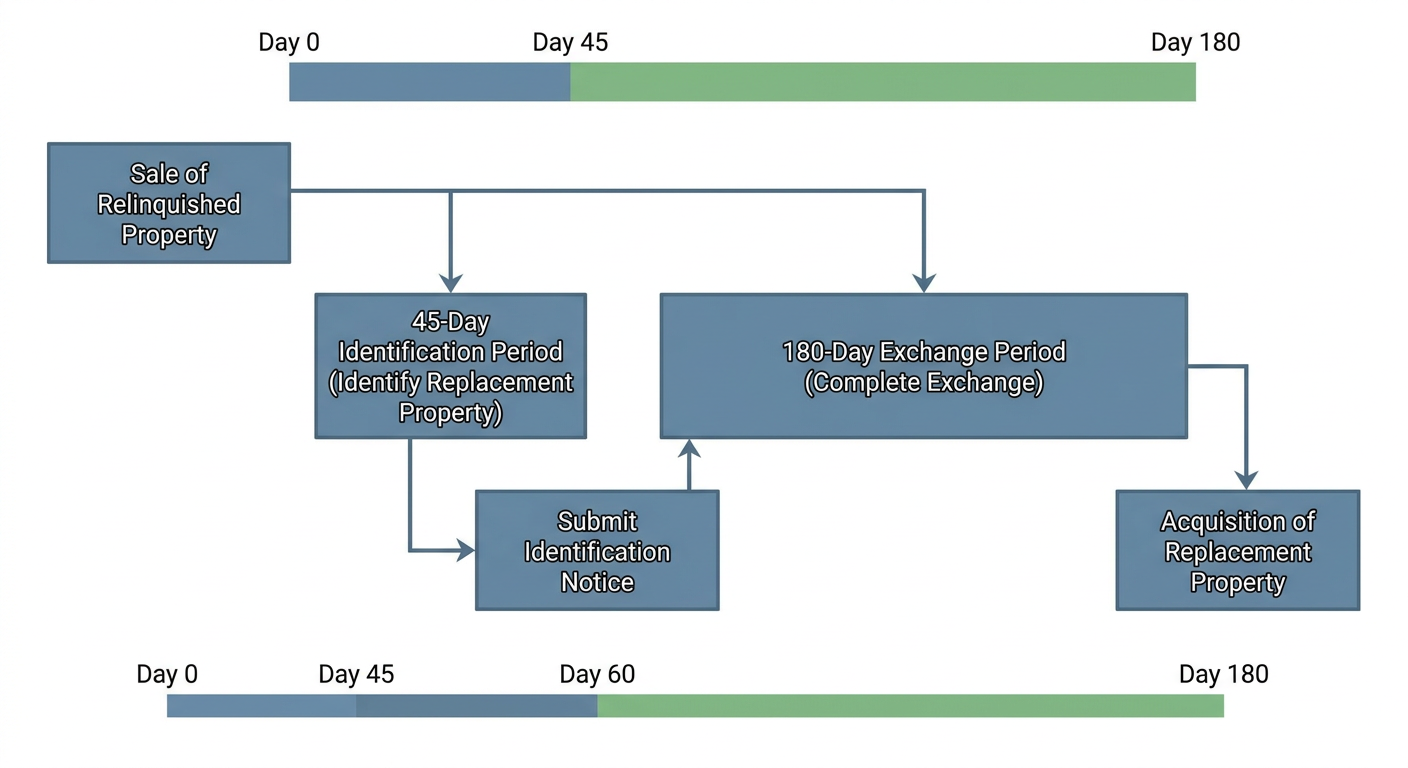
To execute a 1031 exchange, you must follow strict IRS timelines: identify a replacement property within 45 days of selling your old one and close on the new property within 180 days. Both the relinquished property and the replacement property must be held for investment or business use. For example, you could sell a high-maintenance STR in Plaza Midwood and exchange it for a larger, multi-unit property in a quieter town like Matthews or Waxhaw, or even a different type of commercial real estate. As a real estate agent specializing in investment properties, this is a core part of my practice at hbmcre.com.
The Stayvanah Co-Hosting Advantage
Many investors choose an exit strategy because they're burned out on the operational demands of self-management. Before you sell or convert, consider if the real problem is your management system. Traditional property management often fails STRs, which is why we built Stayvanah around a co-hosting model. We handle the intensive parts—dynamic pricing, guest messaging, cleaning turnovers—while you keep ownership of your property, your listing, and your revenue history.
We offer a transparent alternative to "Charlotte short-term rental property management," delivered as co-hosting—you keep the title, the listing, and the payouts. Our 18% flat fee is clear and simple. For many owners, partnering with a professional co-host like Stayvanah revitalizes their investment, turning a demanding job back into a profitable asset and delaying the need for an exit.
Frequently Asked Questions
Can I 1031 exchange a short-term rental for a long-term rental?
Yes, you absolutely can. Both are considered "like-kind" investment properties under IRS rules. This is a common strategy for investors looking to transition from the high-touch STR market to the more passive income stream of LTRs without incurring a large tax bill.
What is the best short-term rental exit strategy for a slowing market?
In a slowing market where sale prices might be softening, converting your STR to a long-term rental can be an excellent defensive move. It allows you to wait out the market downturn while still generating steady cash flow from a tenant. This preserves your asset until market conditions improve for a more profitable sale.
How do I know if it's the right time to sell my Airbnb?
The right time to sell your Airbnb is a mix of personal financial goals and market analysis. Look for indicators like a peak in your local market cycle, significant equity gains (check Mecklenburg County records for property value history), changes in local STR regulations that could hurt future profits, or simply if the property no longer aligns with your investment strategy.
Written by Hemang Bhatt, Charlotte STR realtor and founder of Stayvanah — licensed North Carolina real estate agent with eXp Realty.
Ready to take the next step?
If you own a Charlotte-area property — or you're considering buying one — Stayvanah can give you a real-numbers picture of what it would earn as a short-term rental. We deliver Charlotte short-term rental property management as co-hosting: you keep the title, the listing, and the payouts.
👉 Get your free earnings estimate
Prefer to talk it through? Schedule a call with Hemang — founder of Stayvanah and a licensed NC real estate agent specializing in STR.